
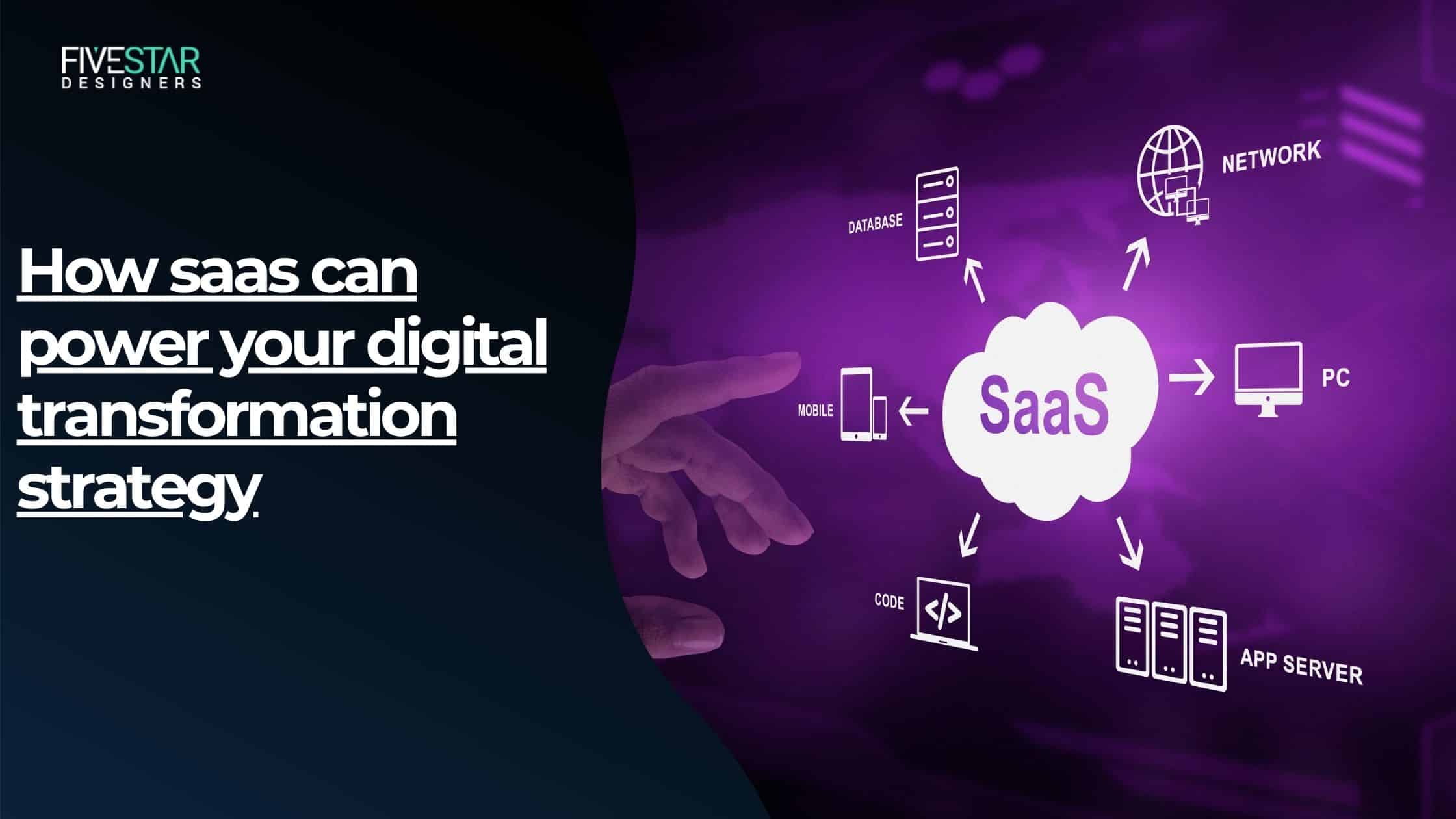
Did you know that more than 70% of companies now use cloud tools in some form? That shows a clear shift. Work is moving online, fast.
In this high-paced era, teams want tools that are super easy to use and quick to set up. That’s where software as a service comes in. This blog will help you get a handle on how this all works. Let’s go through the process in a simple way.
What Is SaaS and Why Does It Matter in Digital Transformation
Understanding Software as a Service
Software as a service means you use apps online. You don’t install them on your computer. You pay a monthly fee. And you get updates without extra work.
Old enterprise software needed to be set up on the servers. SaaS tools don’t. They run in the cloud. It makes it easier to sort things out for small and large teams.
The Role of SaaS in SaaS Digital Transformation
SaaS helps teams move fast. You can start using tools in minutes. It supports simple and flexible cloud solutions. You don’t need a big IT team. Also, it cuts down tech problems. That’s why SaaS digital transformation is growing fast.
The Link Between SaaS and Business Transformation
Driving Agility and Innovation
SaaS tools update often. Teams get new features quickly. It helps ideas grow faster. And it supports strong business transformation. You don’t wait months for updates. You get them right away.
Enhancing Operational Efficiency
SaaS tools handle tasks such as data entry and report generation. It saves time. It also reduces human error. And it reduces the costs, which is the core of SaaS digital transformation.
Improving Customer Experience
SaaS tools can manage the user info in real time. You can respond faster. And you can offer better service. Many enterprise software tools now focus on customer needs.
Key Benefits of SaaS in Digital Transformation Strategy
Scalability and Flexibility
You can measure the scale at any time. That’s how much power cloud solutions have.
As your team grows, so do your tools.
Cost-Effectiveness
You don’t pay high upfront costs. You pay small monthly fees. It gets SaaS better than old enterprise software.
Accessibility and Remote Collaboration
Teams have access to work from anywhere. They just need internet access. It gives the remote work option for global teams.
Data-Driven Decision Making
SaaS tools show real-time data. It helps teams make better choices. It also supports smarter business transformation.
Types of SaaS Solutions That Enable Digital Transformation
Customer Relationship Management (CRM) Systems
These tools track leads and customers. They help sales teams stay organized.
Enterprise Resource Planning (ERP) Software
ERP tools have the balance for finance, HR, and more. They connect teams using enterprise software.
Collaboration and Communication Tools
These tools support chats and file sharing. They boost team productivity.
Marketing Automation Platforms
They send emails and track campaigns. They improve results with SaaS digital transformation.
How to Implement SaaS in Your Digital Transformation Strategy
Assessing Business Needs
- Start by finding gaps.
- What tools do you lack?
- Match them with your goals.
Choosing the Right SaaS Providers
- Check pricing and features.
- Look at security as well.
- Pick tools that fit your team.
Integration with Existing Systems
- Make sure tools work together.
- Avoid data gaps.
- Good cloud solutions connect easily.
Training and Change Management
- Train your team early.
- Show them how tools help.
- It builds trust and use.
Challenges of SaaS Digital Transformation and How to Overcome Them
Data Security and Privacy Concerns
- Data safety matters a lot.
- Choose trusted providers.
- Use strong passwords and controls.
Integration Complexities
- Some tools don’t connect well.
- Use APIs to fix this.
- Plan before you add tools.
Vendor Lock-In
- Relying on one provider can be risky.
- So, keep backup plans.
- Pick flexible systems.
Future Trends in SaaS and Digital Transformation
AI and Automation in SaaS Platforms
AI helps tools learn from data. It saves time and effort.
Growth of Industry-Specific SaaS Solutions
Some tools now serve one industry. They act like custom enterprise software.
Increased Adoption of Multi-Cloud Strategies
Teams use more than one cloud. It improves speed and safety.
Real-World Examples of SaaS Driving Business Transformation
Small Businesses Scaling with SaaS
Small firms use SaaS to grow fast. They don’t need big budgets.
Enterprises Modernizing Legacy Systems
Large firms replace old tools. They switch to modern SaaS systems.
Why SaaS Is Essential for Modern Digital Transformation Strategies
SaaS is simple, fast, and flexible. It supports real business transformation. And it helps teams stay ready for change. That’s why many companies now trust SaaS.
Final Verdict
SaaS helps companies move forward. With the help of AI tools, we can automate and reduce the load and make it faster. Software as a service can benefit long-term growth.
And strong cloud solutions keep teams connected. So why wait if you really want to stay competitive? SaaS is a smart choice you can make.
Are you excited to improve how your team works? At 5StarDesigners, we build simple and smart SaaS tools. We help you plan and use the right systems. From start to finish, we guide your journey. Contact 5StarDesigners today and take your next step.
FAQs
What is SaaS digital transformation, and how does it impact business transformation?
It means using SaaS tools to improve work. It helps teams grow and adapt faster.
Differentiate between traditional corporate software and software as a service in cloud solutions.
When it comes to SaaS, it is much easier to use and set up. It runs online, unlike old systems.
What are the pros of using SaaS for business transformation and cloud solutions?
They reduce cost, improve speed, and collaborate with the team for better teamwork.