People are making great use of social media every second. They share a huge amount of information every second. AI helps move and process that data. It makes things faster. It also makes life easier.
But there is a problem. More smart tools bring more risks. People worry about their data. They ask simple questions. Is my data safe? Who can see it? This is where AI cybersecurity comes in. It helps protect systems that use AI. It also supports a clear cybersecurity strategy for businesses. Today, tools are not enough. People want trust. And trust keeps users loyal.
Understanding the Role of AI in Cybersecurity
What is AI Cybersecurity?
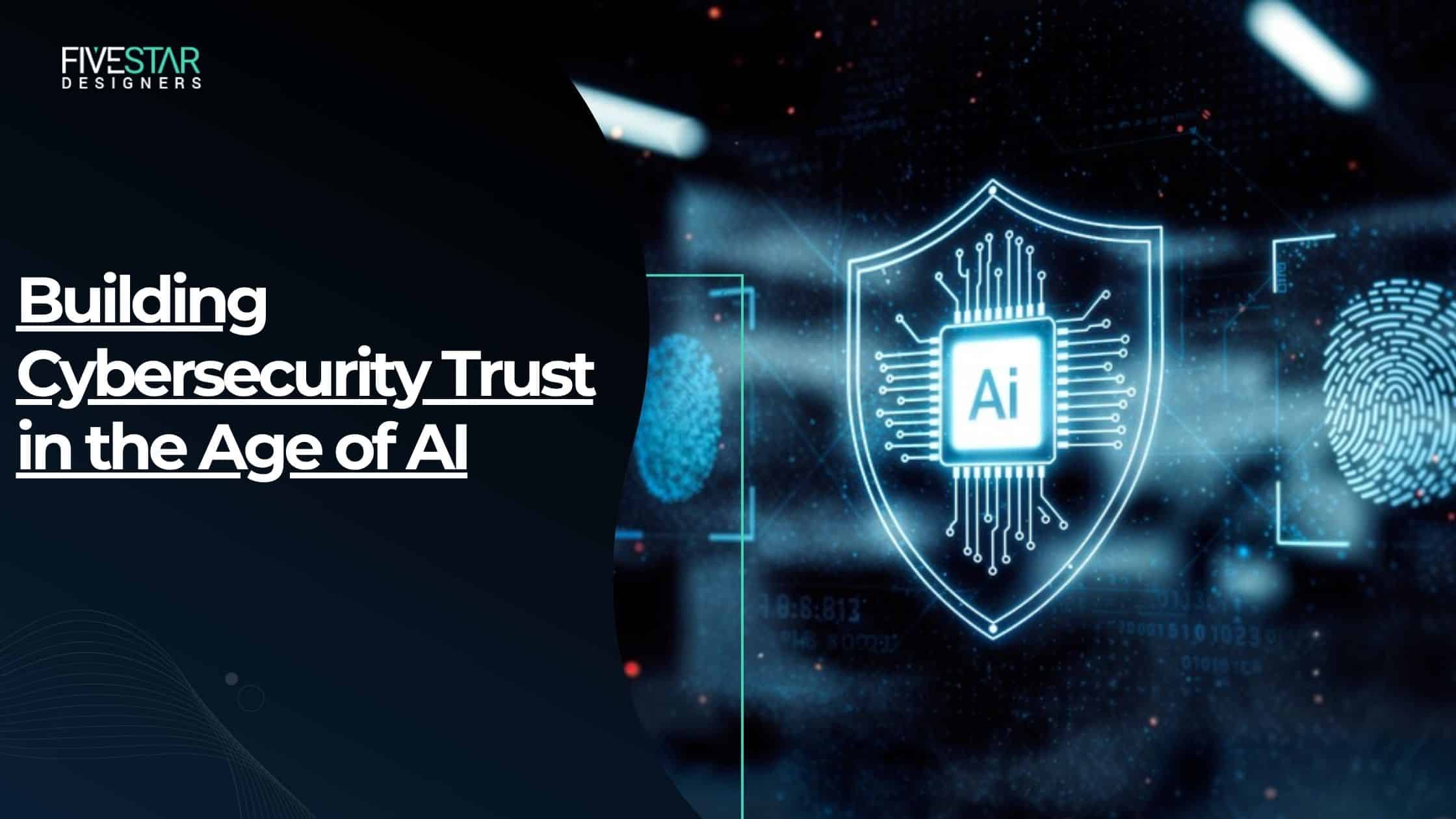
AI cybersecurity utilizes the latest technology to protect data and systems. It finds threats fast. It learns from past attacks. Then it stops similar ones.
It works all day and night. It does not get tired. That helps teams stay alert.
Pros of AI in Cybersecurity
- It checks systems in real time.
- It spots risks early.
- It handles simple tasks.
So teams can focus on bigger issues.
AI in Enterprise Security Systems
Large companies use AI to manage many systems. It supports enterprise security across devices. For example, banks use AI to catch fraud. Tech firms use it to protect users.
The Growing Importance of Trust in Digital Security
Why Trust Matters in the Digital Age
People care about privacy. They want clear answers. They want to know how their data is used.
If a company fails once, trust drops fast. And it is hard to fix.
Trust as a Competitive Advantage
Strong data protection builds trust. People stay with brands they trust. Also, clear policies help. When companies speak openly, users feel safe.
Key AI Security Risks Businesses Must Address
Understanding AI Security Risks
AI is helpful. But it has limits. There are real AI security risks. Hackers can change data. They can trick AI systems. Some systems may give wrong results. So teams must stay careful.
Risks to Data Protection
Data can leak if systems are weak. Hackers look for easy targets. So, good data protection is a must. It keeps user data safe.
Challenges in Managing AI Systems
AI systems change over time. This makes them hard to control. Also, rules are still new in many places. That adds more pressure.
Building a Strong Cybersecurity Strategy for AI
Core Elements of a Cybersecurity Strategy
A strong cybersecurity strategy starts with risk checks. Teams find weak points first. Then they add tools to fix those gaps. But tools alone cannot solve everything.
Strengthening Enterprise Security
- Limit who can access systems.
- Check systems often.
- Use simple safety rules.
These steps improve enterprise security.
Best Practices for Data Protection
- Encrypt data.
- Follow rules.
- Update systems often.
Small steps can stop big problems.
Leveraging AI for Proactive Threat Prevention
Predictive Analytics in AI Cybersecurity
AI studies past attacks. Then it warns about new ones. It helps teams act early.
Automation and Incident Response
AI reacts fast. It blocks threats in seconds. But it is not perfect. Humans still need to check things.
Enhancing Security Operations Centers (SOCs)
AI gives quick updates. Teams can act faster. It reduces damage.
Ethical Considerations in AI Cybersecurity
Balancing Innovation and Security
New technologies help brands grow quickly. However, AI cybersecurity should be the top priority. The team should test the system before they start to use it.
Transparency and Accountability
Human beings need clarity. They must know how AI functions. Simple reports can help build public trust.
Administrative and Legal Difficulties
Policies are constantly evolving. Companies have to live by them. They risk losing the public’s trust if they don’t follow the rules.
Future Trends in AI and Cybersecurity
Rise of Autonomous Security Systems
Some systems learn on their own. They adjust to new threats. But humans still need to guide them.
AI vs AI Cyber Warfare
Hackers also use AI. So security tools must improve. It creates a constant race.
The Future of Enterprise Security
Security will keep getting smarter. Systems will adapt faster. And enterprise security will depend more on AI.
How Businesses Can Build Cybersecurity Trust
Investing in Advanced Security Technologies
Use trusted tools. But test them well. No tool can solve everything.
Employee Awareness and Training
People make mistakes. And mistakes can cause problems. Train teams often.
Transparent Communication with Users
Be honest about data use. Share updates clearly. Honesty builds trust over time.
Why Choose 5StarDesigners for Cybersecurity Solutions
Expertise in AI Cybersecurity
5StarDesigners understands modern risks. They use AI cybersecurity to protect systems.
Comprehensive Cybersecurity Strategy
They build clear plans. Each cybersecurity strategy fits business needs.
Commitment to Data Protection and Trust
They focus on safety. Strong systems support trust.
Final Thoughts
AI is growing fast. But trust still matters most. Businesses must protect users at every step. A good plan reduces AI security risks. In the end, safe systems help businesses grow.
Are you intending to protect your business? Connect with 5StarDesigners today. Build a safer future with the right plan.
FAQs
What is the significance of AI in cybersecurity?
AI cybersecurity secures AI-based systems. It finds threats early and keeps data safe.
How can companies reduce AI security risks while improving enterprise security?
Companies can test systems, train staff, and limit access. It minimizes AI security risks and improves enterprise security.
Why is a modern cybersecurity strategy important in data protection?
Data protection keeps user data safe. It is a key part of any security plan.