
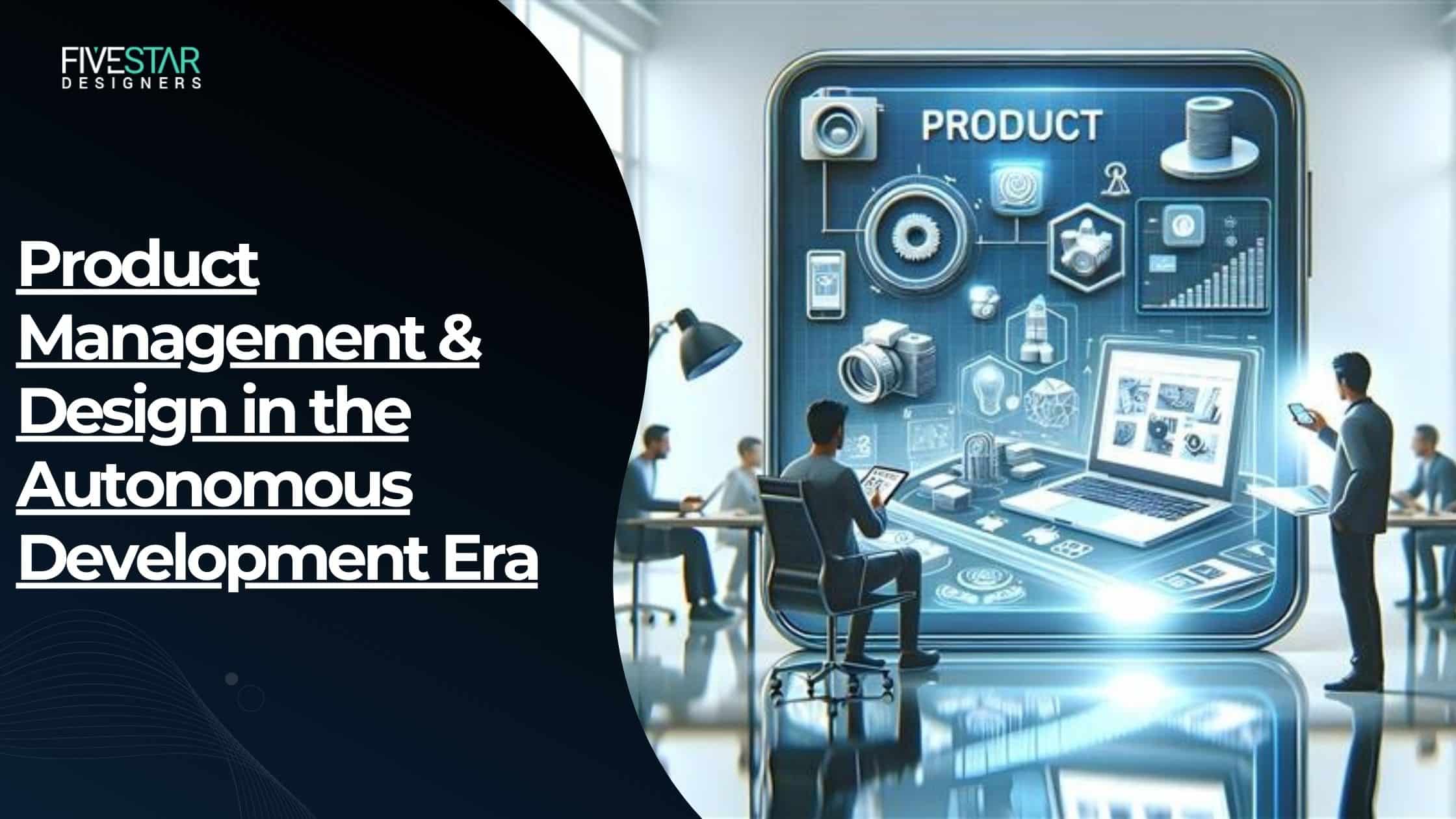
Not long ago, teams did everything by hand. Now, tools help with many tasks. In 2025, 60% of product teams use smart tools to speed up work and improve planning. These tools help with Autonomous Product Development and AI‑Driven Product Management. This change speeds up work, but it also changes how teams think and work together. Let’s walk through this new world in simple steps.
Understanding Autonomous Product Development
Today, Autonomous Product Development means the system can make parts of the product on its own. It uses data and rules to build parts of the product. Teams still guide the system. But the system can do repetitive tasks without someone watching every step.
- Key drivers include smart machines that learn (AI), real-time data, and cloud tools that store and share information quickly.
- When teams use Autonomous Product Development, they test ideas faster. They fix problems sooner. They ship updates more quickly than before.
Benefits of Autonomous Product Development
- Faster time-to-market. Teams can finish tasks in days, not weeks.
- Less human error in decision-making. Machines follow rules and catch patterns people miss.
- Better scalability and adaptability in product design. The product can grow with users’ needs.
AI‑Driven Product Management: Transforming Decision Making
AI‑Driven Product Management uses smart tools to help managers decide what to build next. It looks at data from users, markets, and past work. Then it shows what matters most.
Teams with this approach can:
- Plan roadmaps by seeing trends in data instead of guessing.
- Pick features that users really want.
- Save time by cutting guesswork.
Some companies now use AI tools to scan customer feedback every day. This helps them spot issues before users complain on social media.
Tools and Platforms
Here are common tools product teams use:
- Smart roadmap tools that outline work for the team.
- Demand forecasting software that shows what users might want next.
- Auto feedback tools that read user comments and highlight issues or ideas.
Digital Prototyping & Automated Design
Digital Prototyping & Automated Design means using software to build test versions of a product fast. No more drawing on paper or slow manual mocks. Teams can click and test with live data.
These tools help teams see how users might react before the final product ships. They also cut the time to build new ideas.
- Teams run simulations to test designs without real users.
- Designers make many versions fast and pick the best one.
Integrating Automation with Human Creativity
Machines are good at speed, but people are good at ideas.
So teams pair tools with human thought.
- Humans set goals and feelings for the product.
- Tools run tests and show results.
Together, they make designs that feel right and work well.
Leveraging Autonomous Data Products
Autonomous Data Products are systems that use data without someone managing every detail. They pull data, clean it, and show insights.
Teams use these data products to:
- Personalize user experiences.
- Improve analytics without extra work.
- Predict what users may do next.
In SaaS, IoT, or big software, data products help teams make better plans.
Human–Autonomy Collaboration in Product Design
Human–Autonomy Collaboration means people and machines work as a team. Machines handle routine tasks. People make decisions that need judgment and empathy.
To do this well:
- Set clear roles so people know what machines do and what they don’t.
- Talk often so ideas and issues get shared fast.
- Build workflows where tools assist, not replace, people.
Teams that do this well find more time to be creative and solve hard problems.
AI‑Enhanced Innovation & Product Lifecycle
AI‑Enhanced Innovation & Product Lifecycle refers to smart tools helping at every stage of a product’s life, from idea to phase‑out.
These tools help with:
- Tracking versions of a product.
- Spotting issues early.
- Updating features based on real use.
Good lifecycle work keeps users happy and products relevant longer.
Key Challenges & Solutions
Change is never simple. Here are common challenges:
- Teams resist new tools.
- Solution: Show how these tools free them to focus on creative work.
- Ethics and user data privacy.
- Solution: Make rules for how data is used. Protect user rights always.
- Skill gaps in teams.
- Solution: Train team members so they feel confident using new tools.
Embracing change takes care and patience.
Future Trends in Product Management & Design
Tech keeps moving. In the coming years:
- Teams will use smart frameworks that help every day.
- Human–Autonomy Collaboration will be normal in meetings and work plans.
- People will make big decisions while machines handle data and grunt work.
To stay ready:
- Learn new tools early.
- Keep updating team skills.
- Stay curious about new ways to build things.
Wrap Up
In this fast-moving AI world, smart and autonomous tools and human creativity must work together. Autonomous Product Development and AI‑Driven Product Management help teams work smarter and make much better decisions. Embracing these methods prepares your products and teams for the future.
If you want help with AI‑Driven Product Management or Digital Prototyping & Automated Design, work with 5StarDesigners. Transform your work with support that fits your team and your pace.
FAQs
How can companies implement Autonomous Product Development without disrupting existing workflows?
Start with one team first. Let them use new tools and learn. Then expand slowly to other teams.
What are the best practices for integrating AI‑Driven Product Management into traditional product teams?
Train people before you launch tools. Get feedback from the team. Adjust workflows as needed.
How does Human–Autonomy Collaboration enhance creativity while maintaining efficiency?
People guide ideas and context. Machines handle repeating tasks. This gives teams time to think and build better products.